

UAE Intercepts 19 Iranian Missiles and Drones on May 4, 2026: What Happened and What’s Next?
In the most serious escalation since the fragile US-Iran ceasefire took hold in early April, Iran launched a massive aerial assault on the United Arab Emirates on May 4, 2026. The UAE Iran missile attack 2026 involved 12 ballistic missiles, 3 cruise missiles, and 4 drones all intercepted by UAE air defence systems. Three people were injured. An oil facility in Fujairah caught fire. Schools across Sharjah shifted to online learning.
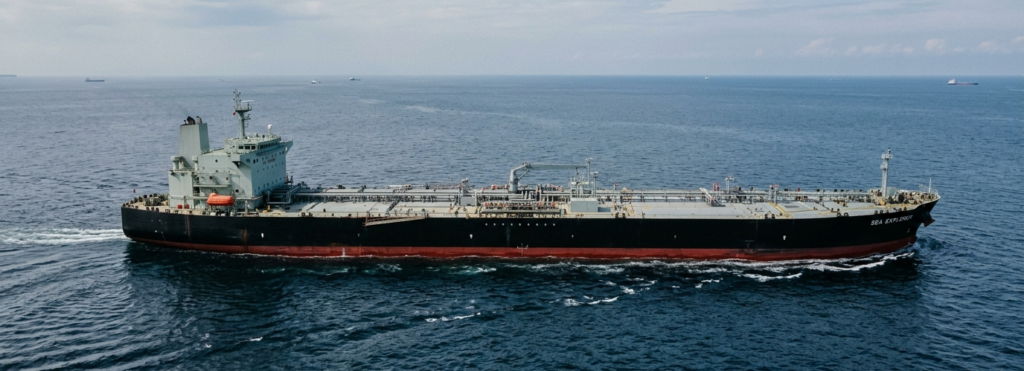
This is not just a regional story. The Strait of Hormuz through which nearly 20% of the world’s oil flows is at the centre of this conflict. As we reported in our earlier analysis of why UAE exited OPEC in 2026, the Iran war has already reshaped Gulf energy geopolitics. Today’s attack takes that story to a dangerous new chapter.
Breaking Facts May 4, 2026: UAE intercepted 12 ballistic + 3 cruise missiles + 4 drones. Fire at Fujairah Oil Industry Zone. 3 Indian nationals injured. Sharjah schools shifted online. UAE threatened ‘serious retaliatory response’. US Project Freedom launched to open Hormuz.
UAE Iran Missile Attack 2026 Full Breakdown
Here is a complete breakdown of what happened on May 4, 2026:
| Attack Type | Number Launched | Status | Location/Target |
| Ballistic Missiles | 12 | All Intercepted | UAE air defence nationwide |
| Cruise Missiles | 3 | All Intercepted | UAE air defence nationwide |
| Drones / UAVs | 4 | All Intercepted | UAE air defence nationwide |
| Drone (Oil Facility) | 1 | Caused fire | Fujairah Oil Industry Zone |
| Ship Attack (ADNOC) | 2 drones | Near miss | Strait of Hormuz |
| Total Threats | 20+ | Majority neutralised | Across UAE + Hormuz |
Source: UAE Ministry of Defence statement, May 4, 2026
Why Did Iran Attack UAE Today?
The timing of the UAE Iran missile attack 2026 is directly connected to one event: the US launch of ‘Project Freedom’ a military operation to escort commercial vessels trapped in the Strait of Hormuz since the war began.
Iran views the US naval escort operation as a direct violation of its control over the Strait. Iranian media framed the attack as a response to what Tehran called an ‘illegal American military incursion’ into Iranian territorial waters. Al Jazeera Iran war live updates
The UAE was targeted specifically because it is a key US ally in the Gulf and because Fujairah the emirate hit by the drone attack hosts a critical oil pipeline that the UAE has been using to bypass Hormuz. Hitting Fujairah sends a message: no bypass route is safe. This directly affects global oil prices and the global manufacturing shift happening in 2026 as supply chains try to route around the crisis
How Today’s Attack Affected Oil Prices
Oil markets reacted immediately to the UAE Iran missile attack. Brent crude surged 5% to above $114 per barrel. US West Texas Intermediate rose 3% to above $105. These are significant single-day moves that reflect how exposed global energy supply remains to the Hormuz situation. Reuters Gulf crisis coverage
What This Means for Pakistan
For Pakistan, the escalating UAE Iran missile attack 2026situation carries serious direct consequences both human and economic.
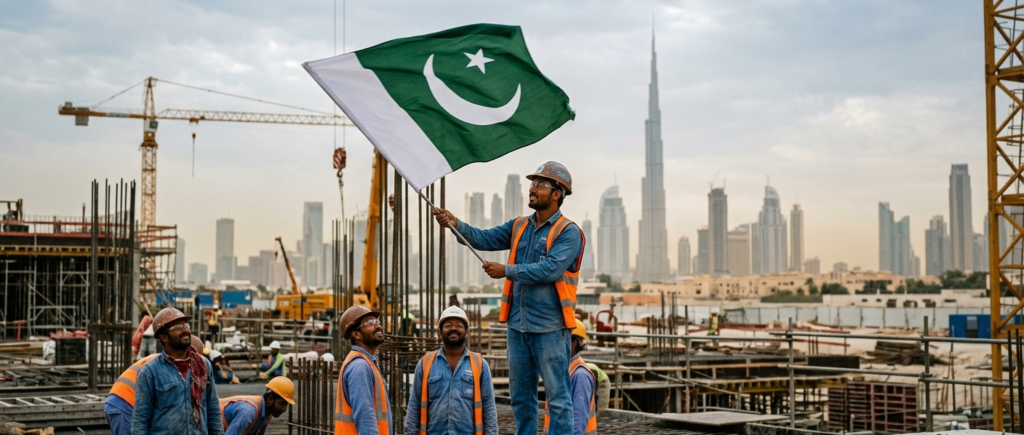
• 1.6 million Pakistani workers: The UAE is home to more Pakistanis than any other Gulf country. Today’s missile alerts triggered emergency protocols across Dubai, Abu Dhabi, and Sharjah directly affecting Pakistani expats and their daily lives. Read: Pakistan’s Gulf ties in 2026
• Oil import costs: Pakistan imports petroleum at already elevated prices. Brent crude jumping to $114 today adds direct pressure to Pakistan’s import bill and could worsen inflation.
• Remittances at risk: If the security situation in UAE deteriorates, Pakistani workers may face job disruptions, forced return, or reduced remittances currently a lifeline for Pakistan’s economy.
• Indian nationals injured: Three Indian citizens were injured in Fujairah today a reminder that South Asian expat workers are on the front line of this conflict even as diplomats negotiate.
What is Project Freedom? The US Operation to Reopen Hormuz
US Central Command launched ‘Project Freedom’ on May 4, 2026 a military escort operation designed to guide stranded commercial vessels through the Strait of Hormuz under American naval protection.
The operation immediately triggered today’s Iranian response. Iran’s Navy stated it ‘blocked American-Zionist warships’ from entering the zone. US Central Command confirmed it sank six small Iranian boats that targeted civilian ships. Two US-flagged vessels successfully transited Hormuz today the first in weeks.
If Project Freedom succeeds, it could reopen 20% of global oil supply driving prices lower and easing the global supply chain disruption that has been building since February. If it fails or escalates, oil above $130 per barrel becomes a real possibility.
Is the Ceasefire Over?
The ceasefire between the US and Iran which began in early April is under extreme pressure. Today’s attacks on UAE soil represent the first major escalation since the ceasefire took hold.
President Trump dodged questions about whether the ceasefire was over but warned that Iranian forces would be ‘blown off the face of the Earth’ if they targeted US ships. The UAE threatened a ‘serious retaliatory response.’ Iran claimed the US operation violated the ceasefire terms.
Three scenarios now: Diplomatic de-escalation (ceasefire holds), limited military exchange (proxy escalation), or full ceasefire collapse (oil above $130, global recession risk).
| Scenario | Probability | Oil Price Impact | Pakistan Impact |
| Ceasefire Holds | 40% | $100–$110 | Stable — relief possible |
| Limited Escalation | 45% | $110–$125 | Rising import costs |
| Full War Resumes | 15% | $130–$150+ | Severe — expats at risk |
Note: Probability estimates based on analyst consensus as of May 4, 2026.
Conclusion
The UAE Iran missile attack 2026 on May 4 is one of the most serious developments in the Gulf crisis since the war began in February. UAE’s air defences performed exceptionally intercepting 19 out of 20 threats. But the attack on Fujairah, the injuries to Indian workers, and the surge in oil prices are all reminders that this conflict has real, immediate consequences for millions of people across the region.
For Pakistan especially with 1.6 million workers in the UAE, oil prices rising, and remittances at stake this is a story that demands close attention. Follow TalkToGlobe for live updates on the UAE Iran conflict and its impact on Pakistan and South Asia.
Frequently Asked Questions
Did Iran attack UAE on May 4, 2026?
Yes. Iran launched a major aerial assault on the UAE on May 4, 2026, including 12 ballistic missiles, 3 cruise missiles, and 4 drones. UAE air defence systems intercepted all of them. A separate drone attack caused a fire at the Fujairah Oil Industry Zone, injuring three Indian nationals. The attacks were condemned by the UAE as ‘treacherous’ and a violation of international law.
How many missiles did UAE intercept from Iran on May 4?
UAE intercepted 12 ballistic missiles, 3 cruise missiles, and 4 drones on May 4, 2026 a total of 19 aerial threats in a single day. The Ministry of Defence confirmed all incoming threats were engaged and neutralised. A fire at Fujairah was caused by a separate drone that slipped through before being destroyed. Since the war began, UAE has now intercepted over 2,838 total threats from Iran.
Why did Iran attack UAE in May 2026?
Iran’s attack on May 4 was a direct response to the US launching ‘Project Freedom’ a military escort operation to guide commercial vessels through the Strait of Hormuz. Iran views the US presence in Hormuz as a violation of its territorial sovereignty and the ceasefire terms. The UAE was targeted as a key US ally and because Fujairah hosts a bypass pipeline allowing UAE oil exports to avoid Hormuz.
What is Project Freedom in the Strait of Hormuz?
Project Freedom is a US Central Command military operation launched on May 4, 2026 to escort commercial vessels stranded in the Strait of Hormuz since the US-Iran war began in February. US naval forces escort civilian ships through the strait under military protection. On May 4, two US-flagged vessels successfully transited Hormuz the first transit in weeks. US forces also sank six small Iranian attack boats during the operation.
Is the UAE-Iran ceasefire over?
The ceasefire is under severe stress but has not officially collapsed. President Trump warned Iran of devastating consequences if US ships are targeted. UAE threatened retaliatory action. Iran claimed the US Hormuz operation violated ceasefire terms. As of May 4, 2026, no formal ceasefire collapse has been announced, but analysts give a 45% probability to further limited escalation and 15% to full war resumption.
How does the UAE Iran attack affect Pakistan?
Pakistan is deeply affected by the UAE Iran missile attack 2026 for three reasons: 1.6 million Pakistanis live and work in the UAE their safety, jobs, and remittances are directly at risk. Pakistan’s oil import costs are rising as Brent crude hit $114 today. And any deterioration in UAE stability directly threatens Pakistan’s most important source of remittance income. Read more: Pakistan and the Middle East in 2026
What happened at Fujairah in the Iran attack?
A drone launched from Iran successfully struck the Fujairah Oil Industry Zone on May 4, 2026, causing a fire that was quickly contained by emergency services. Three Indian nationals working at the facility suffered moderate injuries and were hospitalised. Fujairah is strategically important because it is the terminal for a pipeline the UAE uses to export oil while bypassing the Strait of Hormuz making it a deliberate Iranian target.
How high will oil prices go after the UAE Iran attack?
Oil prices jumped immediately after the May 4 attack, Brent crude rose 5% to above $114 per barrel and WTI crude rose 3% to above $105. If the ceasefire holds and Project Freedom successfully reopens Hormuz, prices could ease back toward $95–$100. If escalation continues, analysts warn of $130–$150 per barrel, which would trigger serious global economic pressure and severely impact oil-importing countries like Pakistan.
