7 Bootstrapped Startups That Hit $1 Million Without a Single Investor (2026)
What if you could build a million-dollar business without pitching a single investor? In 2026, it is not just possible, it is happening more than ever. The era of bootstrapped startups million dollar success 2026 is real, and the founders behind these companies share more than just ambition. They share a refusal to hand over equity, control, or their vision to anyone else.
This is not a list of lucky overnight success stories. These are seven real companies with real revenue numbers that grew from zero to seven figures using nothing but smart strategy, lean operations, and relentless customer focus. According to Forbes research on self-funded businesses, bootstrapped companies actually have a higher long-term survival rate than VC-funded startups, because they are forced to become profitable, not just ‘funded’.
Did You Know? According to Crunchbase, over 60% of the world’s most profitable software companies were bootstrapped in their early years. You do not need VC money to build something great you need the right strategy.
1. Mailchimp — From $0 to $12 Billion, Completely Bootstrapped
Mailchimp is the most famous bootstrapped startup million dollar success story in modern business history. Founded in 2001 by Ben Chestnut and Dan Kurzius in Atlanta, Georgia, they started as a side project to their web design agency charging $9.99 a month for email marketing tools.
They never took a single dollar of investor money. They grew by listening obsessively to their customers, iterating fast, and keeping costs ruthlessly low. By 2021, when they sold to Intuit for $12 billion, they had 13 million users and over $800 million in annual revenue.
The lesson: Profitability from day one forces you to build something people actually want to pay for. Mailchimp was profitable within its first year. Most VC-funded competitors burned cash for years trying to ‘grow at all costs’ and eventually shut down. As we explored in our coverage of best business opportunities in 2026, sustainable revenue models beat fast growth every time.
2. Basecamp: The $100M Bootstrapped SaaS That Rejected Silicon Valley
Jason Fried and David Heinemeier Hansson built Basecam a project management tool in 2004. They were offered venture capital multiple times. They said no every time.
Today, Basecamp generates over $100 million in annual revenue with fewer than 60 employees. Their philosophy is radical in Silicon Valley terms: work less, charge fairly, and never chase growth for growth’s sake. They even wrote a book about it ‘Rework’ which became a New York Times bestseller.
Key insight: Basecamp targets small businesses and freelancers not enterprise clients, because that market pays reliably and churns less. Their pricing ($99/month flat for unlimited users) is designed for sustainability, not for an IPO pitch deck. This same thinking applies to the global manufacturing shift of 2026 smaller, leaner operations are outperforming bloated VC-backed giants.
3. Notion: Built by 2 People for 2 Years Before Anyone Noticed
Notion’s origin story is one of the most unusual in tech. Ivan Zhao and Simon Last spent two years rebuilding the app from scratch in a tiny apartment in Kyoto, Japan after their first version failed. They had almost no money, had no investors and no press coverage. They just kept building.
When they relaunched in 2018, Notion grew entirely through word of mouth. By 2020, it hit a $2 billion valuation and only then raised outside money. But the critical point in this bootstrapped startup success story is that they reached product-market fit and real revenue before ever needing investors. They were in full control of their product vision when the money arrived.
Takeaway: Two years of quiet building beats six months of flashy fundraising. Notion’s patience and obsession with product quality is exactly the kind of story we cover in our inspiring startup success stories section.
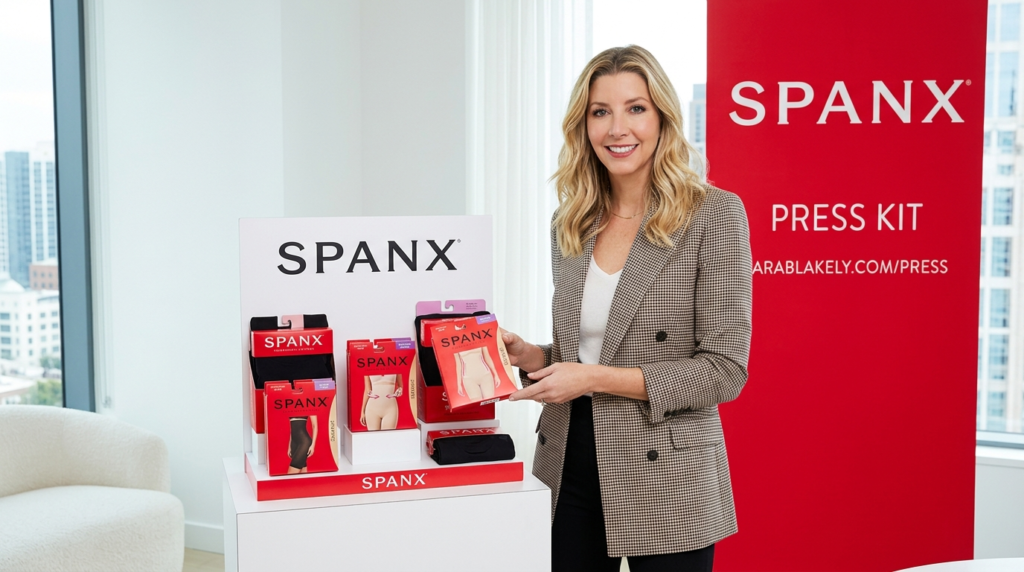
4. Spanx: Sara Blakely Built a $1.2 Billion Empire on $5,000
Sara Blakely started Spanx in 2000 with $5,000 in personal savings, zero business experience, and a patent she wrote herself after reading a book on patents. She cold-called hosiery mills until one agreed to manufacture her product. She drove to Neiman Marcus and gave a personal demonstration in the bathroom.
Spanx hit $1 million in sales in its first year. Blakely was on the Forbes Billionaires list by 2012 the youngest self-made female billionaire at the time. She never took outside investment until 2021, choosing instead to grow entirely from cash flow.
The real lesson: She solved one specific problem for one specific customer (women who wanted smooth silhouettes under clothes) and executed relentlessly. Narrow focus beats broad ambition when you are bootstrapping. This is exactly why some of the fastest growing global markets in 2026 belong to niche-first operators.
5. Braintree: Sold to PayPal for $800M, Started With No Funding
Bryan Johnson founded Braintree in 2007 with a credit card, a laptop, and one customer. Braintree built payment processing infrastructure for startups simpler and more developer-friendly than the existing options at the time.
Johnson grew the company for years on revenue alone before eventually accepting a small angel round. In 2012, Braintree acquired Venmo. In 2013, PayPal acquired Braintree for $800 million in cash. The founder maintained significant equity throughout because he had not diluted his ownership with multiple VC rounds.
Key lesson: Bootstrapping preserves equity. When the exit comes, you keep far more of it. This is particularly relevant for entrepreneurs in markets like Pakistan and the Gulf, where Pakistan and Middle East business connections in 2026 are creating new self-funded startup opportunities.
6. GoPro: From Farmer’s Market to $3 Billion IPO
Nick Woodman, a surfer and failed entrepreneur, created the first GoPro camera using his mother’s sewing machine to strap a camera to his wrist. Started selling the cameras at California surf shops and farmers’ markets in 2004.
He sold the cameras for $30 each which he bought wholesale from a supplier. He ran the entire business on early bootstrapping principles outlined by Inc. Magazine keep costs below revenue, grow only as fast as cash flow allows. By the time GoPro went public in 2014 at a $3 billion valuation, Woodman had never needed to give up control to institutional investors.
The pattern: Every successful bootstrapped startup in this list started with a problem the founder experienced personally. GoPro, Spanx, Mailchimp all personal pain points turned into products. This connects to the broader theme of why companies succeeding in 2026 started without external capital self-reliance is the competitive advantage.
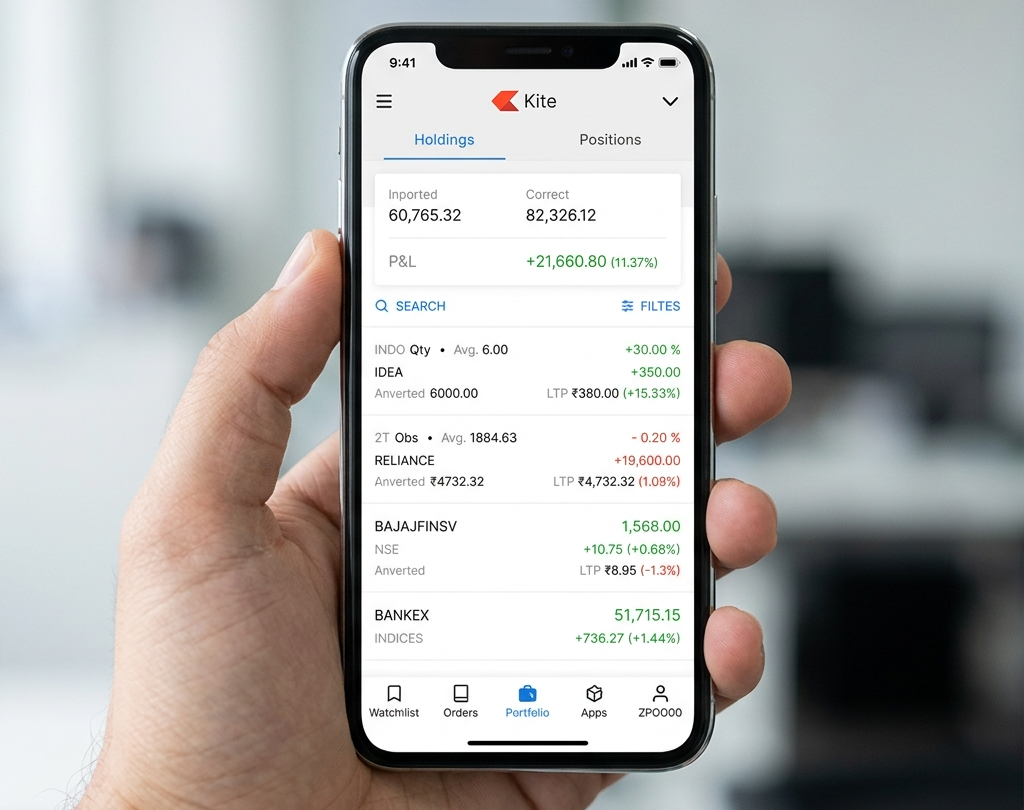
7. Zerodha: India’s Bootstrapped Fintech That Beat the Banks
For readers in South Asia, Zerodha is the most relevant bootstrapped startup million dollar success 2026 story on this list. Nithin Kamath founded India’s largest stock broker in 2010 with personal savings and his brother Nikhil as co-founder. They charged zero brokerage on equity delivery, when every competitor charged 0.5–1%.
Zerodha has never raised external funding. Today it has over 13 million active clients, processes 15% of all Indian retail stock trades, and generates over $500 million annually in revenue. It is profitable, growing, and 100% founder-owned.
Why it matters: Zerodha proves that bootstrapped startup success is not just a Western phenomenon. Emerging markets India, Pakistan, UAE are producing self-funded success stories at scale. This connects directly to our analysis of hot business opportunities across the Middle East and South Asia in 2026.
What Every Bootstrapped Million-Dollar Startup Has in Common
Looking across all seven of these bootstrapped startups million dollar success 2026 stories, five clear patterns emerge:
- They solved a personal problem first. Every founder built something they needed themselves. This eliminates the guesswork of market research.
- They prioritized profitability over growth. Without investors demanding 10x returns, they could focus on sustainable revenue which, paradoxically, led to better long-term growth.
- They stayed lean obsessively. Mailchimp had 12 employees when it had 1 million users. Basecamp has 57 employees and $100M revenue. Lean is a superpower.
- They listened to paying customers not advisors. Without investors in the room, product decisions came from customers who were actually spending money.
- They were patient. Notion took two years of rebuilding before relaunching. Spanx took years to reach mainstream. Bootstrapping rewards patience in ways VC timelines never can.
How to Bootstrap Your Own Startup in 2026: A Practical Starting Point
Not every bootstrapped success requires a decade of grinding. According to Entrepreneur Magazine’s bootstrapping guide, the fastest-growing self-funded businesses in 2026 share one common start: they charged for something before they built it.
- Validate before you build: Get 10 paying customers before writing a single line of code or manufacturing a single product.
- Start with services, transition to products: Consulting or freelancing funds your product development. This is how Basecamp started as a web design agency.
- Use free tools to the maximum: Notion, Canva, Mailchimp (free tier), WordPress a complete business infrastructure costs under $50/month today.
- Reinvest every dollar: Blakely lived on her Danka sales job salary while building Spanx. Every Spanx dollar went back into the business.
- Your niche is your moat: The smaller and more specific your first market, the faster you dominate it. Zerodha started with day traders. GoPro started with surfers.
Conclusion
The stories of bootstrapped startups million dollar success 2026 share a common thread: they proved that the best businesses are built on value, not valuation. Mailchimp, Basecamp, Notion, Spanx, Braintree, GoPro, and Zerodha all had something more powerful than investor money they had a product people genuinely needed, run by founders who refused to compromise their vision.
In 2026, the tools, platforms, and global markets available to self-funded founders are better than they have ever been. The question is not whether it is possible to build a million-dollar business without investors. These seven companies answer that definitively.
The question is: what problem will you solve first? Follow TalkToGlobe for more startup success stories and business growth strategies from founders who built on their own terms.
Frequently Asked Questions
What is a bootstrapped startup?
A bootstrapped startup is a business built entirely using the founder’s own savings, personal funds, or early revenue without taking money from venture capitalists, angel investors, or external funding rounds. The founder retains full ownership and control. Famous examples of bootstrapped startup million dollar success include Mailchimp, Basecamp, Spanx, and India’s Zerodha.
Can you really build a million-dollar business without investors?
Yes, and many of the world’s most successful companies did exactly that. Mailchimp sold for $12 billion without ever taking institutional investor money. Spanx built a $1.2 billion empire on $5,000. The key is prioritizing profitability early and growing at the speed your revenue allows not the speed your pitch deck promises.
How long does it take to build a bootstrapped million-dollar startup?
There is no fixed timeline, but most successful bootstrapped companies take 5–10 years to reach $1 million in annual revenue. Notion took over five years. Mailchimp took about eight years to reach significant scale. The advantage of bootstrapping is that you are building something sustainable not racing a VC clock.
What are the best industries for bootstrapped startups in 2026?
In 2026, the best sectors for self-funded founders include SaaS (software as a service), digital content, e-commerce, fintech tools, and service businesses that transition into products. Emerging markets like India, UAE, and Pakistan offer particularly strong opportunities as we analyze in our coverage of hot business opportunities in 2026.
What is the biggest risk of bootstrapping a startup?
The biggest risk is running out of personal cash before reaching profitability. Unlike VC-funded startups that can operate at a loss for years, bootstrapped founders must reach revenue quickly. This is why starting with services (consulting, freelancing) to fund product development is a common and proven strategy.
How did Zerodha become successful without investors?
Zerodha disrupted India’s brokerage industry by eliminating brokerage fees on equity delivery charging zero when competitors charged 0.5–1%. They attracted customers through radical pricing, built loyalty through excellent technology, and grew entirely through word of mouth. With 13 million active clients and $500M+ annual revenue, it remains 100% founder-owned the ultimate bootstrapped startup success story for South Asian entrepreneurs.
What tools do bootstrapped startups use to keep costs low?
In 2026, a complete business infrastructure can be built for under $100/month using tools like: WordPress for website, Mailchimp for email, Notion for operations, Canva for design, Google Workspace for communication, and Stripe or Razorpay for payments. According to TechCrunch’s startup tools guide, the cost of starting a tech company has dropped 99% over the past 15 years making bootstrapping more viable than ever.
