
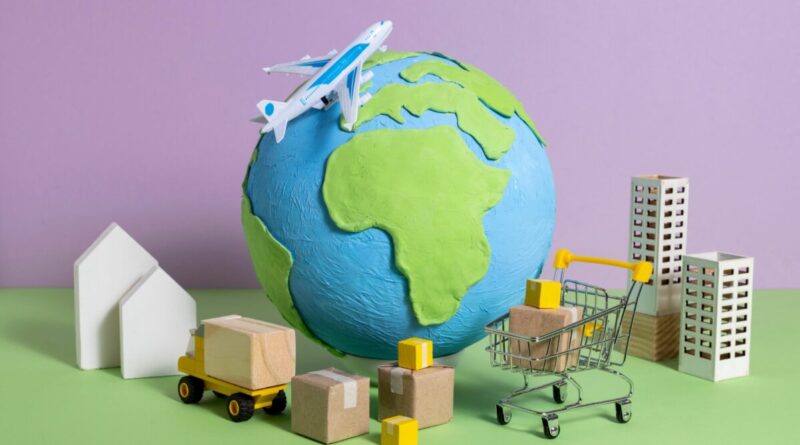
Global Trade Opportunities for Startups in 2026
Introduction
Startups today operate in a highly connected world where global trade is more accessible than ever before. Advances in digital technology, international logistics networks, and online marketplaces have opened new opportunities for young businesses to reach customers across the globe.
In the past, international trade was mostly limited to large corporations with significant resources. However, modern startups can now compete globally by leveraging digital platforms, strategic partnerships, and innovative business models. You can also read Global Business Trends 2026: Top Industries, Innovations, and Market Insights
Understanding global trade opportunities allows startups to expand their market reach and build sustainable international businesses.
The Rise of Global Entrepreneurship
Entrepreneurship has become a global phenomenon. Startups are emerging in almost every country, creating innovative solutions and introducing new products to the market.
Global trade allows these businesses to scale faster by accessing larger markets and more diverse customer bases. Instead of relying solely on local demand, startups can explore international markets where demand for their products may be higher.
This shift has made global trade an important growth strategy for startups looking to expand quickly.
Digital Platforms Enabling Global Trade
One of the biggest factors driving global trade for startups is the rise of digital platforms. Online marketplaces and e-commerce websites allow businesses to sell products worldwide without establishing physical stores in foreign countries.
Through these platforms, startups can:
- List products for international customers
- Accept payments from different countries
- Ship products globally
- Build international brand recognition
Digital platforms reduce the barriers that once prevented small businesses from entering global markets.
Global Supply Chains
Global supply chains also play a significant role in startup growth. Businesses can source materials, components, or products from suppliers located in different parts of the world.
This flexibility helps startups reduce production costs and improve product quality. By working with international suppliers, companies can remain competitive and maintain better profit margins.
However, managing supply chains requires careful planning to avoid delays, disruptions, or quality issues.
Strategic Partnerships
Partnerships with international companies can accelerate startup growth. Collaborating with established organizations allows startups to gain access to new markets, distribution channels, and customer networks.
Strategic partnerships can include:
- Distribution agreements
- Joint ventures
- Technology collaborations
- Licensing deals
Such partnerships help startups expand globally while reducing risks.
Government Support and Trade Programs
Many governments support startups that want to participate in international trade. These support programs often include financial incentives, export assistance, and training for entrepreneurs.
Trade organizations and economic development agencies frequently organize international trade events where startups can connect with potential partners and investors.
By taking advantage of these programs, startups can explore global trade opportunities more effectively.
Challenges of Global Trade
Although global trade offers many benefits, startups must also consider potential challenges. These include international regulations, cultural differences, currency fluctuations, and logistics management.
Companies must research foreign markets carefully and ensure they comply with local laws and regulations.
Understanding these challenges allows startups to develop strategies that minimize risks while maximizing opportunities.
Conclusion
Global trade offers significant opportunities for startups willing to expand beyond local markets. By using digital platforms, forming strategic partnerships, and exploring international demand, startups can build strong global businesses.
As technology continues to evolve, global trade will become even more accessible, allowing innovative startups to compete and succeed in international markets.